Reconstitution & Research Protocols
TB-500 reconstitution with bacteriostatic water, concentration calculations, dosing math, and research storage protocols
TB-500 Reconstitution and Research Protocols
Proper reconstitution is fundamental to rigorous peptide research. Errors in reconstitution — wrong diluent volume, improper storage, or incorrect dose calculation — introduce confounding variables that compromise experimental validity. This guide covers established best practices for TB-500 (thymosin beta-4) reconstitution, concentration preparation, and storage for in vitro and in vivo research applications.
Why Bacteriostatic Water (BAC Water)?
Bacteriostatic water (BAC water) is sterile water for injection containing 0.9% benzyl alcohol as a bacteriostatic preservative. It is the preferred diluent for TB-500 and most research peptides used in multi-dose vials because:
- 0.9% benzyl alcohol inhibits bacterial growth, extending the usable life of reconstituted peptide solutions to 28–30 days when refrigerated at 2–8°C
- Benzyl alcohol at 0.9% does not denature or chemically modify TB-500 at standard working concentrations
- Multi-use vials repeatedly accessed with a needle present a contamination risk — BAC water mitigates this
- Sterile water without preservative is acceptable for single-use reconstitution but increases spoilage risk for multi-dose research vials
Standard Reconstitution Protocol for TB-500
Materials Required
- TB-500 lyophilized powder (most commonly 5 mg or 10 mg vials)
- Bacteriostatic water for injection (BAC water)
- Insulin syringe (100-unit capacity, 0.5 mL or 1 mL)
- Alcohol swabs
- Sterile transfer needle or reconstitution pin (optional)
Step-by-Step Procedure
1. Wipe the rubber stoppers of both the peptide vial and BAC water vial with a fresh alcohol swab. Allow to air-dry for 30 seconds. 2. Draw BAC water into the syringe in the calculated volume (see table below). 3. Insert the needle into the peptide vial at an angle, directing the stream of BAC water against the glass wall — do not inject directly onto the lyophilized powder cake. 4. Allow the powder to dissolve by gentle rolling. Do NOT shake or vortex the vial — shaking denatures peptide through mechanical agitation and air-interface exposure. 5. Inspect the solution: it should be clear and colorless. Any cloudiness, particulate matter, or color change indicates degradation — discard. 6. Label the vial with preparation date and concentration. 7. Store at 2–8°C (standard refrigerator). Do not freeze reconstituted TB-500 solutions.
Concentration Reference Table
The following table shows the resulting concentration based on BAC water volume added to a 10 mg TB-500 vial:
| BAC Water Added | Resulting Concentration | Volume per 1 mg Dose | Volume per 2 mg Dose |
| 1 mL (100 units on insulin syringe) | 10 mg/mL | 10 units | 20 units |
| 2 mL (200 units) | 5 mg/mL | 20 units | 40 units |
| 5 mL (500 units) | 2 mg/mL | 50 units | 100 units |
| 10 mL (1000 units) | 1 mg/mL | 100 units | 200 units |
Units refer to markings on a 100-unit (1 mL) insulin syringe
Most common research reconstitution: 2 mL BAC water into a 10 mg vial = 5 mg/mL, giving 20 units per 1 mg dose on a standard insulin syringe — a practical working concentration.
Insulin Syringe Selection for Research
- 28G, 29G, or 30G needle gauges are standard for SC administration in rodent and research contexts
- 0.5 mL (50-unit) insulin syringes are preferred for doses under 0.5 mL, offering finer graduation
- 1 mL (100-unit) insulin syringes accommodate larger volume doses
- U-100 markings assume insulin U-100 (100 units/mL = 1 mg/mL insulin) — for TB-500, the "units" are simply volume markers (each unit = 0.01 mL)
Storage Guidelines
| Form | Temperature | Duration | Notes |
| Lyophilized (dry powder, sealed) | Room temperature or 4°C | 12–24 months | Store away from light and moisture |
| Lyophilized (dry powder, opened) | 4°C | Use within 30 days | Minimize headspace air exposure |
| Reconstituted in BAC water | 2–8°C (refrigerator) | 28–30 days | Do not freeze; keep sterile |
| Reconstituted in sterile water | 2–8°C | Use within 5–7 days | Higher spoilage risk; single-use preferred |
Freeze-Thaw Considerations
For long-term storage of reconstituted TB-500, some researchers prepare aliquots in sterile water (not BAC water) and store at -20°C or -80°C. Key considerations:
- Freeze-thaw cycles should be minimized — each cycle risks protein aggregation and activity loss
- Aliquot into volumes equal to one experiment's worth to avoid repeated freeze-thaw
- Do not freeze BAC water reconstitutions — benzyl alcohol precipitation at sub-zero temperatures can introduce particulates
Dose Calculation Example
For a rodent research protocol using 2 mg/kg, twice weekly in a 250 g rat:
- Weight: 0.25 kg × 2 mg/kg = 0.5 mg per dose
- With 5 mg/mL reconstitution: 0.5 mg ÷ 5 mg/mL = 0.1 mL per injection
- On a 100-unit insulin syringe at 5 mg/mL: 10 units per injection
Quality Checks Before Research Use
- Visual inspection for clarity and color
- Verify vial label (concentration, preparation date)
- Confirm BAC water lot number and expiry
- pH: TB-500 solutions in BAC water are typically pH 4.5–6.0 at working concentrations
High-Purity Reconstitution & Research Protocols
>98% purity, third-party tested. Free shipping on orders over $200.
Reconstitution & Research Protocols — Available Products
Research-grade compounds from our trusted research supplier. >98% purity, CoA on request.
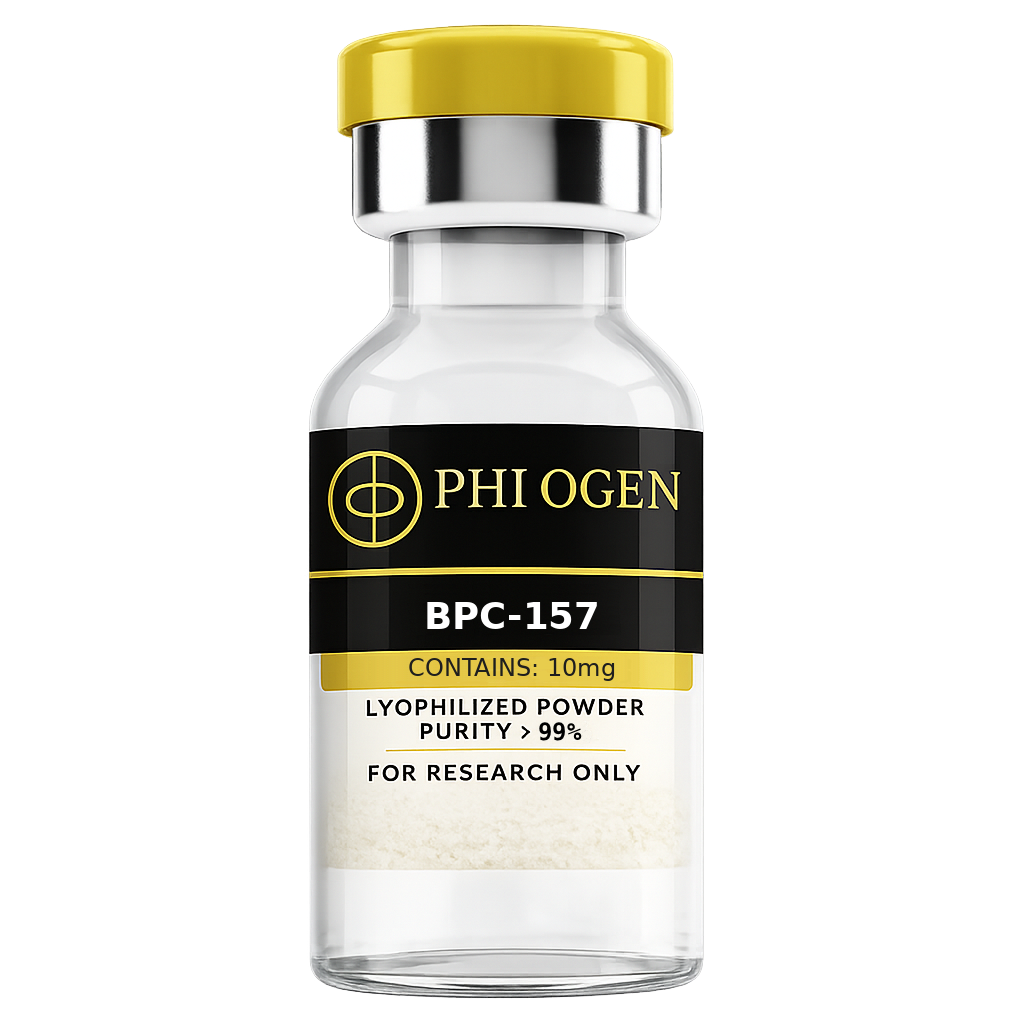
Looking for Clavicular's Looksmaxxing Stack?
See which peptides Clavicular uses in his viral looksmaxxing transformation — Retatrutide, BPC-157, and more.
Frequently Asked Questions
Why must bacteriostatic water (BAC water) be used instead of regular sterile water for TB-500 reconstitution?
Bacteriostatic water contains 0.9% benzyl alcohol, which inhibits microbial growth in multi-dose vials, extending the usable life of reconstituted TB-500 to 28–30 days when refrigerated. Sterile water without preservative is acceptable only for single-use preparation and must be used within 5–7 days. For any multi-draw research vial, BAC water is the standard to prevent bacterial contamination.
How do I calculate the correct volume to draw for a specific TB-500 dose?
Divide the desired dose by the concentration of your reconstituted solution. Example: for a 2 mg dose from a 5 mg/mL solution, draw 0.4 mL (40 units on a 100-unit insulin syringe). The most practical reconstitution for a 10 mg vial is 2 mL BAC water, giving 5 mg/mL — each 10 units on the insulin syringe equals exactly 0.5 mg TB-500.
Can reconstituted TB-500 be frozen for long-term storage?
BAC water reconstitutions should NOT be frozen — benzyl alcohol can precipitate at sub-zero temperatures. For long-term frozen storage, reconstitute TB-500 in sterile water (no benzyl alcohol), aliquot into single-use volumes, and store at -20°C or -80°C. Minimize freeze-thaw cycles to one, as repeated cycling causes peptide aggregation and activity loss.
Why should TB-500 be dissolved gently rather than shaken after adding BAC water?
Mechanical shaking generates air-water interfaces and physical agitation that can cause peptide denaturation and aggregation through hydrophobic surface exposure. The correct method is to direct the BAC water stream against the vial wall (not directly onto the powder) and then allow dissolution by gentle rolling. The fully dissolved solution should be clear and colorless — cloudiness indicates denaturation.
How long does reconstituted TB-500 remain stable when stored correctly?
Reconstituted TB-500 in bacteriostatic water (0.9% benzyl alcohol), stored at 2–8°C in a refrigerator, is considered stable for 28–30 days. Lyophilized (dry powder) TB-500 in sealed vials has a shelf life of 12–24 months when stored properly away from light and moisture. Always label vials with preparation date and inspect visually for clarity before each use.
Shop Reconstitution & Research Protocols
Research-grade reconstitution & research protocols from our trusted research supplier. Third-party tested, >98% purity guaranteed.