Anti-Inflammation Research
TB-500 anti-inflammatory mechanisms and immune modulation studies
TB-500 and Inflammatory Pathway Research
Inflammation is a double-edged process in tissue repair: the acute inflammatory phase is essential for debris clearance and stem cell recruitment, while chronic or dysregulated inflammation drives tissue destruction and fibrosis. Research has established that thymosin beta-4 (Tβ4), the bioactive parent of TB-500, functions as a pleiotropic immunomodulatory peptide that tempers excessive inflammatory signaling while preserving the regenerative phases of the inflammatory cascade.
NF-κB Suppression: Core Anti-Inflammatory Mechanism
The NF-κB transcription factor family is the master regulator of pro-inflammatory gene expression. TB-500 research has demonstrated that Tβ4 suppresses NF-κB activation through multiple mechanisms:
- Inhibition of IκB kinase (IKK) complex activation, preventing IκBα phosphorylation and degradation
- Reduced nuclear translocation of p65/RelA in stimulated macrophages and endothelial cells
- Downregulation of NF-κB-dependent target genes including TNF-α, IL-1β, IL-6, and COX-2
Macrophage Polarization Research
Tissue-resident and recruited macrophages adopt pro-inflammatory (M1) or anti-inflammatory/pro-repair (M2) phenotypes depending on microenvironmental signals. TB-500 research has shown:
| Macrophage Marker | Effect of TB-500 | Functional Consequence |
| iNOS (M1) | Decreased | Reduced nitric oxide-mediated tissue damage |
| IL-12 (M1) | Decreased | Less Th1 polarization |
| IL-10 (M2) | Increased | Enhanced anti-inflammatory signaling |
| Arginase-1 (M2) | Increased | Promotes tissue repair metabolism |
| TGF-β1 (M2) | Increased (early) | Matrix remodeling support |
This M1→M2 polarization shift represents a mechanism by which TB-500 transitions the repair environment from destructive inflammation toward constructive tissue remodeling.
Neutrophil and Mast Cell Modulation
Acute inflammation involves rapid neutrophil recruitment followed by resolution. Research using Tβ4 in animal models of acute peritonitis, zymosan-induced inflammation, and sterile wound models has shown:
- Reduced neutrophil extravasation into inflamed tissues within 4–8 hours of Tβ4 administration
- Decreased myeloperoxidase (MPO) activity — a neutrophil activation marker — by 25–40%
- Inhibition of CXCL8/IL-8 and LTB4 — key neutrophil chemoattractants
- Mast cell stabilization with reduced degranulation and histamine release
Oxidative Stress and ROS Scavenging
Reactive oxygen species (ROS) generated during the oxidative burst amplify inflammatory damage. TB-500 research has documented:
- Upregulation of heme oxygenase-1 (HO-1) — a cytoprotective antioxidant enzyme — through Nrf2 pathway activation
- Increased SOD2 (MnSOD) expression in TB-500-treated tissues
- Reduced 8-isoprostane and 4-HNE levels (oxidative damage biomarkers) in inflammatory models
Interaction with the BPC-157 Combination
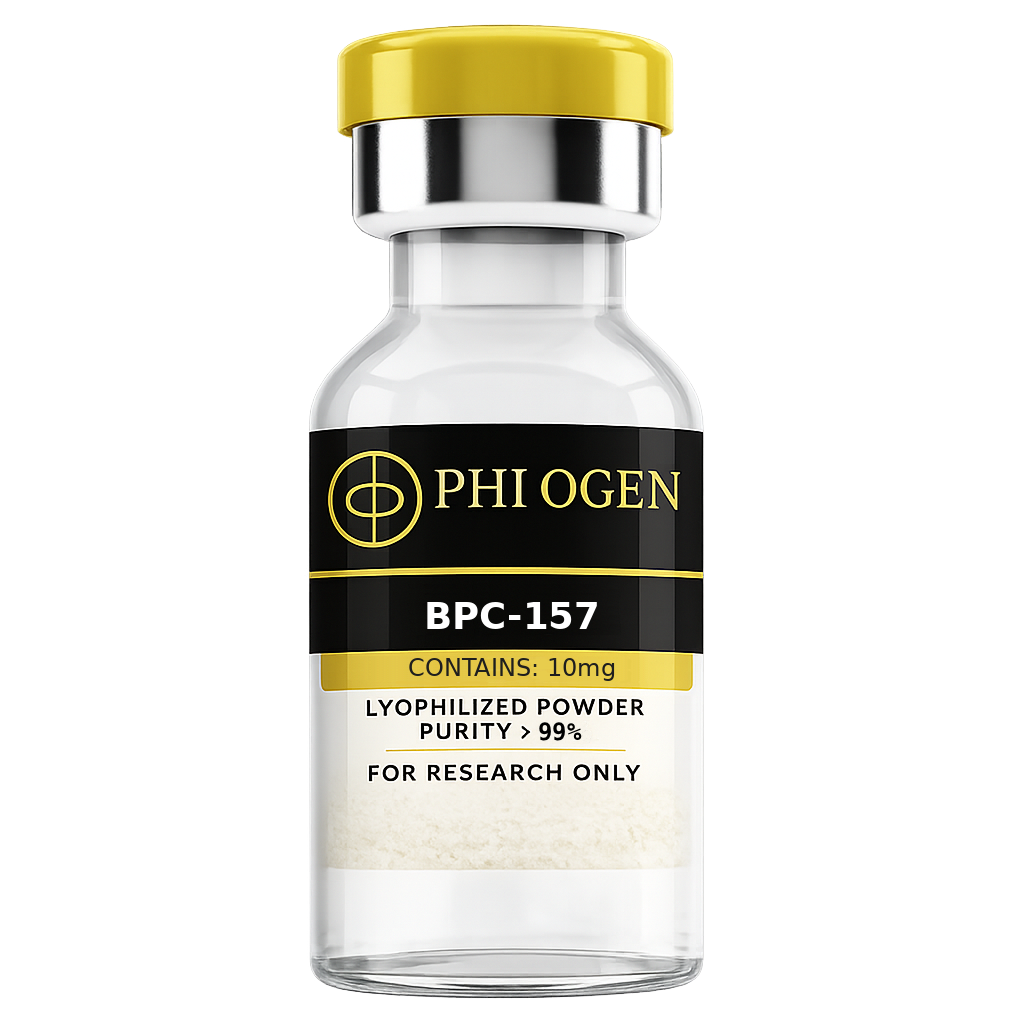
A growing area of research involves combining TB-500 with BPC-157, a cytoprotective pentadecapeptide. The theoretical basis for synergy includes:
- BPC-157 targets the NO-synthase pathway and VEGF upregulation independently of Tβ4's ILK/Akt axis
- Complementary NF-κB suppression from distinct upstream entry points
- BPC-157's documented activity on GABAergic and dopaminergic neurons may reduce neurogenic inflammation in ways TB-500 does not address directly
Chronic Inflammatory Disease Models
Beyond acute injury models, Tβ4 has been studied in models of:
- Inflammatory bowel disease: reduced colonic TNF-α and mucosal damage scores in DSS-colitis models
- Rheumatoid arthritis: decreased synovial IL-17 and MMP-3 in adjuvant-induced arthritis
- Periodontal inflammation: reduced alveolar bone loss with topical Tβ4 in ligature-induced periodontitis models
High-Purity Anti-Inflammation Research
>98% purity, third-party tested. Free shipping on orders over $200.
Anti-Inflammation Research — Available Products
Research-grade compounds from our trusted research supplier. >98% purity, CoA on request.
Looking for Clavicular's Looksmaxxing Stack?
See which peptides Clavicular uses in his viral looksmaxxing transformation — Retatrutide, BPC-157, and more.
Frequently Asked Questions
What is the primary mechanism by which TB-500 reduces inflammation?
TB-500 (thymosin beta-4) suppresses the NF-κB signaling pathway by inhibiting IKK complex activation and preventing nuclear translocation of the p65/RelA subunit. This reduces transcription of pro-inflammatory cytokines including TNF-α, IL-1β, IL-6, and COX-2. In LPS-stimulated macrophage models, Tβ4 reduces TNF-α secretion by 40–55% and IL-6 by 35–48%.
Does TB-500 influence macrophage polarization states?
Yes. Research demonstrates that Tβ4 promotes an M1-to-M2 macrophage polarization shift, characterized by decreased iNOS and IL-12 expression (M1 markers) and increased IL-10 and arginase-1 expression (M2 markers). This phenotypic switch transitions the repair environment from destructive inflammation toward pro-regenerative tissue remodeling.
Can TB-500 reduce neutrophil-mediated tissue damage?
Research in acute inflammation models shows TB-500 reduces neutrophil extravasation by 25–40% (measured by myeloperoxidase activity) and inhibits key neutrophil chemoattractants including CXCL8/IL-8 and LTB4. This attenuates the amplification loop of acute inflammation while preserving sufficient neutrophil activity for pathogen clearance.
Is there research combining TB-500 with BPC-157 for anti-inflammatory effects?
While dedicated combination studies are limited, the mechanistic rationale is well-established. TB-500 targets ILK/Akt and NF-κB pathways, while BPC-157 independently modulates NO-synthase activity and VEGF expression. Their complementary upstream entry points into inflammatory signaling form the scientific basis for combined stack research in recovery and repair models.
Does TB-500 affect oxidative stress alongside its anti-inflammatory actions?
Yes. Tβ4 activates the Nrf2/HO-1 pathway, upregulating heme oxygenase-1 and MnSOD (SOD2) — key antioxidant enzymes. This reduces ROS-mediated amplification of inflammatory signaling and lowers oxidative damage biomarkers (8-isoprostane, 4-HNE) in experimental models of ischemia-reperfusion and chemical injury.
Shop Anti-Inflammation Research
Research-grade anti-inflammation research from our trusted research supplier. Third-party tested, >98% purity guaranteed.