Angiogenesis & Vascular Research
TB-500 pro-angiogenic mechanisms, endothelial cell activation, and neovascularization research
TB-500 and Angiogenesis: Mechanistic Research Overview
Angiogenesis — the formation of new blood vessels from pre-existing vasculature — is a critical component of tissue repair in virtually every organ system. Thymosin beta-4 (Tβ4) was identified as a pro-angiogenic peptide in the early 1990s through its ability to stimulate endothelial cell migration, proliferation, and tube formation in vitro and blood vessel formation in vivo. These discoveries established Tβ4/TB-500 as one of the most potent endogenous pro-angiogenic mediators in mammalian biology.
Early Landmark Discovery
The seminal finding by Grant et al. (1995, J. Cell Science) demonstrated that Tβ4 was the angiogenic factor secreted by tumor cells that stimulated endothelial cell migration and tube formation in Matrigel assays. This discovery:
- Placed Tβ4 alongside VEGF, bFGF, and angiopoietin as a key endogenous angiogenic regulator
- Identified endothelial cell G-actin sequestering and cytoskeletal dynamics as the mechanism linking Tβ4's actin-binding to its pro-angiogenic effects
- Established the basis for research into Tβ4 as a therapeutic agent for ischemic disease
VEGF Pathway Interactions
TB-500 does not operate independently of the VEGF pathway. Research has demonstrated a bidirectional relationship:
- Tβ4 upregulates VEGF-A transcription in hypoxic endothelial cells, fibroblasts, and keratinocytes through HIF-1α stabilization
- Tβ4 treatment increases surface expression of VEGFR2 (KDR/Flk-1) on endothelial cells, sensitizing them to circulating VEGF-A
- Reciprocally, VEGF stimulation increases Tβ4 secretion from endothelial cells, creating a positive feedback loop for sustained angiogenic signaling
- Combined Tβ4 + VEGF treatment produces synergistic rather than additive endothelial tube formation in Matrigel assays
Endothelial Cell Migration and Proliferation
The cellular mechanisms of Tβ4 pro-angiogenic activity include:
- Enhanced lamellipodia formation through G-actin release and directed actin polymerization at the leading edge
- Increased endothelial cell velocity in wound scratch migration assays
- Upregulation of integrin αvβ3 (the vitronectin receptor), a key adhesion molecule for endothelial migration on fibronectin and vitronectin matrices
- Stimulation of MMP-2 (gelatinase A) secretion for basement membrane dissolution during vessel sprouting
In Vitro Angiogenesis Assay Performance
| Assay | Tβ4 Effect | Effective Concentration | Reference |
| Matrigel tube formation | +65–130% tube length | 100–500 ng/mL | Grant et al. 1995 |
| Endothelial cell scratch migration | +80–120% closure rate | 50–200 ng/mL | Malinda et al. 1999 |
| HUVEC proliferation | +35–55% | 100 ng/mL | Multiple sources |
| Rat aortic ring sprouting | +2.1-fold sprout number | 250 ng/mL | Sosne et al. 2010 |
Ischemic Tissue Models
The translational relevance of TB-500 angiogenesis research is most apparent in models of tissue ischemia:
- Hind-limb ischemia (mouse): Tβ4 treatment increases laser Doppler perfusion ratios by 35–55% at day 21 post-femoral artery ligation
- Myocardial ischemia: epicardial-derived vessel formation increases ~1.8-fold in Tβ4-treated post-MI hearts
- Ischemic skin flap models: necrosis area reduced by 25–35% with systemic Tβ4 administration
- Corneal micropocket assay: positive angiogenic response at Tβ4 pellet doses of 80 ng, confirming in vivo pro-angiogenic activity
Pericyte Recruitment and Vessel Maturation
New vessels require pericyte recruitment for maturation, stabilization, and functional perfusion capacity. TB-500 research addresses this through:
- Upregulation of PDGF-BB (the primary pericyte chemoattractant) in angiogenic endothelial cells
- Increased pericyte coverage (NG2+ and αSMA+ cells) of new vessels in TB-500-treated ischemic tissue
- Angiopoietin-1/Tie2 signaling modulation that promotes vessel stabilization and reduces pathological hyperpermeability
Lymphangiogenesis Research
Beyond blood vessel angiogenesis, emerging research explores TB-500 effects on lymphatic vessel formation (lymphangiogenesis). Preliminary data suggest Tβ4 can stimulate lymphatic endothelial cell (LEC) migration and LYVE-1+ vessel density, with potential implications for edema resolution and immune cell trafficking in chronic inflammation models.
High-Purity Angiogenesis & Vascular Research
>98% purity, third-party tested. Free shipping on orders over $200.
Angiogenesis & Vascular Research — Available Products
Research-grade compounds from our trusted research supplier. >98% purity, CoA on request.
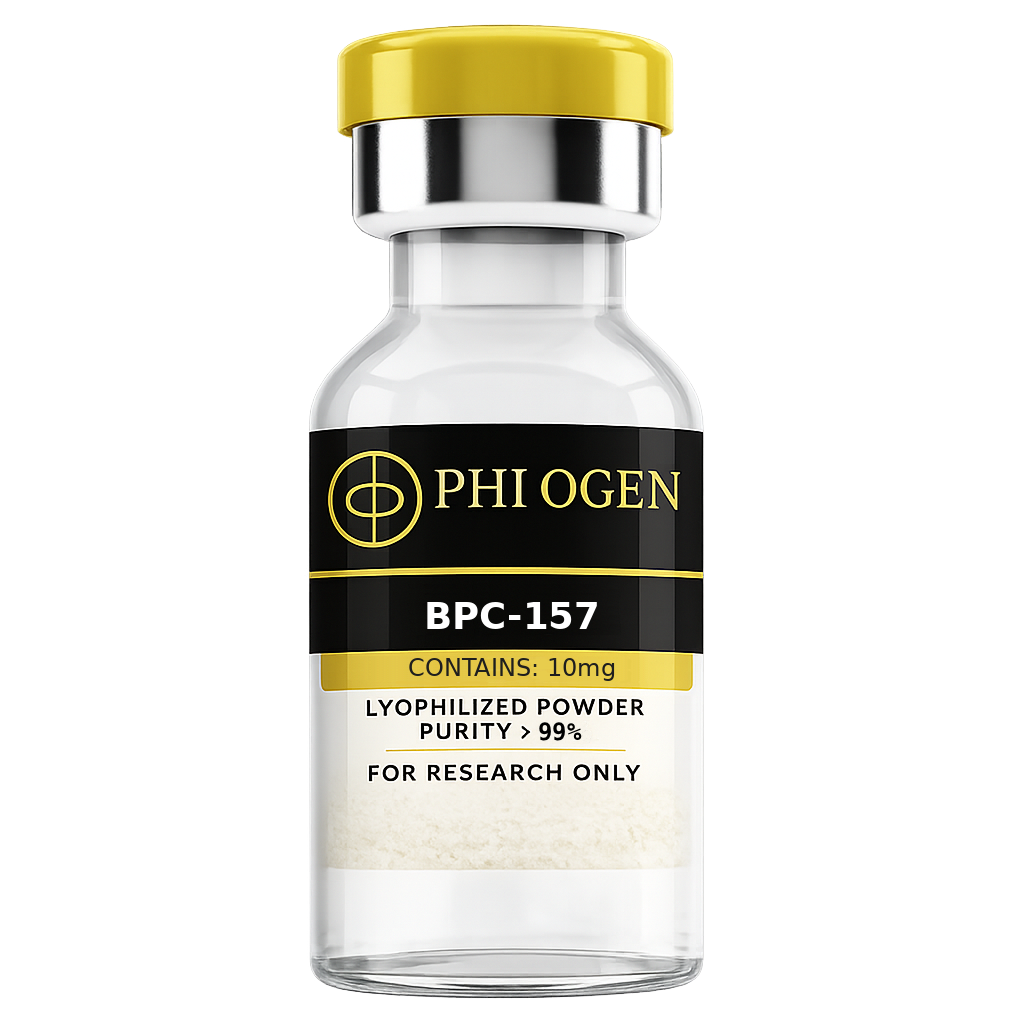
Looking for Clavicular's Looksmaxxing Stack?
See which peptides Clavicular uses in his viral looksmaxxing transformation — Retatrutide, BPC-157, and more.
Frequently Asked Questions
How was TB-500 (thymosin beta-4) first identified as a pro-angiogenic factor?
The landmark discovery by Grant et al. (1995, J. Cell Science) identified Tβ4 as the angiogenic factor secreted by tumor cells that stimulated endothelial cell migration and tube formation in Matrigel assays. This placed Tβ4 alongside VEGF and bFGF as a key endogenous angiogenic regulator and connected its actin-cytoskeletal sequestering function to pro-angiogenic endothelial cell dynamics.
What is the relationship between TB-500 and VEGF in angiogenesis research?
TB-500 and VEGF interact synergistically. TB-500 upregulates VEGF-A transcription through HIF-1α stabilization and increases surface expression of VEGFR2 on endothelial cells, sensitizing them to circulating VEGF. VEGF stimulation in turn increases Tβ4 secretion, creating a positive feedback loop. Co-treatment studies show synergistic (not merely additive) endothelial tube formation in Matrigel assays.
What in vitro assays are used to study TB-500 pro-angiogenic activity?
The primary assays are: Matrigel tube formation (measuring capillary network length and branch points), endothelial cell scratch/wound migration assays, HUVEC proliferation assays (BrdU/EdU incorporation), rat aortic ring sprouting assays, and Boyden chamber chemotaxis assays. TB-500 shows measurable effects in all these assays at concentrations of 50–500 ng/mL.
Does TB-500 promote angiogenesis in ischemic tissue models?
Yes. In murine hind-limb ischemia models, TB-500 treatment increases laser Doppler perfusion ratios by 35–55% at 21 days post-femoral artery ligation. In post-MI cardiac models, new vessel density increases approximately 1.8-fold in Tβ4-treated animals. In ischemic skin flap models, necrosis area is reduced by 25–35% with systemic Tβ4 administration.
Does TB-500 affect vessel maturation as well as new vessel formation?
Yes. Beyond initiating endothelial sprouting, TB-500 upregulates PDGF-BB (the primary pericyte chemoattractant), increases NG2+ and αSMA+ pericyte coverage of new vessels, and modulates angiopoietin-1/Tie2 signaling to promote vessel stabilization and reduce pathological hyperpermeability. This vessel maturation activity helps ensure new vessels are functionally perfused rather than remaining as leaky, immature sprouts.
Shop Angiogenesis & Vascular Research
Research-grade angiogenesis & vascular research from our trusted research supplier. Third-party tested, >98% purity guaranteed.